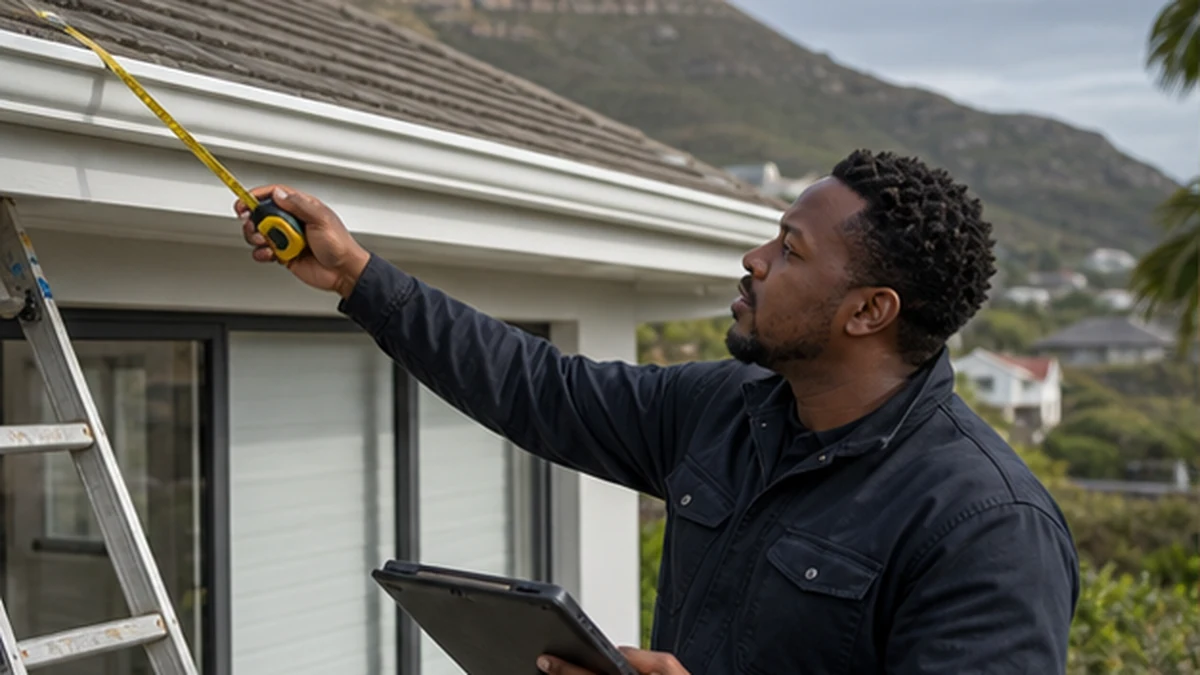
Understand the site, equipment and cable factors that shape a DStv installation quote for a Kommetjie home.
A useful DStv installation quote should reflect the actual home, not a one-line estimate copied from a standard job. In Kommetjie, roof access, cable distance, decoder choice and exposure to salt-laden air can all change the scope. The clearest way to control cost is to understand what the installer must inspect and what information you can provide before work starts. This guide explains the main cost factors without inventing a price for a property that has not been assessed.
What a basic DStv installation usually needs
Every working system needs a suitable dish position, a secure bracket, the correct LNB, sound coaxial cable and accurate alignment. The decoder must then be connected and tested at the television. A straightforward ground-level or accessible wall installation may need fewer labour steps than work on a steep, fragile or difficult roof. That difference is about access and safety, not the suburb name. Our DStv installation service explains the complete signal path that must work together.
Ask whether the quote includes the parts and tasks listed for your property. Confirm the expected cable length, number of viewing points and whether an existing dish will be reused. A low headline amount can be misleading when brackets, connectors or additional cable appear later. A written scope makes comparisons fair and gives both sides a clear basis for the job.
DStv installation cost factors in Kommetjie homes
Kommetjie Village and Old Kom include homes with varied roof lines, older cable routes and extensions completed at different times. Klein Slangkop properties may have strict aesthetic expectations, while exposed positions near Long Beach can place more stress on outdoor fittings. These are practical observations, not automatic surcharges. The technician should assess the fixing surface, safe access, line of sight and route into the room before recommending hardware.
Coastal durability also matters. Outdoor joins should be limited and properly sealed. Cable should have a sensible drip loop before it enters the building. A badly protected connector may work on installation day but allow moisture into the braid later. Spending should follow a technical need, such as a corroded bracket or damaged cable, rather than a vague coastal upgrade.
Equipment choices that change the scope
A single decoder point is different from a linked multi-room arrangement. Extra View may require compatible decoders, an appropriate LNB and communication between viewing points. Explora installations can also involve network connectivity for supported online features. Decide which rooms need independent viewing before asking for a quote. Changing that decision after cable routes are finished can create avoidable work.
If you are comparing decoder arrangements, read the decoder comparison guide first. Keep model details available when booking. The installer can then assess compatibility instead of assuming every box and LNB can work together. Account or package charges are separate from the physical installation, so clarify which part of the total you are discussing.
Existing dish, cable and access checks
Reusing sound equipment can keep the scope focused, but reuse should follow testing. A dish face may look acceptable while the bracket is rusting at the fixing point. Coax can be crushed behind a clip or damp inside a connector. A signal meter and physical inspection help identify what can stay. Where alignment alone is the fault, dish realignment may be more appropriate than a complete installation.
Make access easier before the visit. Clear the television unit, identify any concealed conduits and tell the technician about previous leaks or electrical work. Do not climb onto a roof to inspect it yourself. Photos taken safely from the ground can help with initial planning, but they do not replace an on-site safety and signal assessment.
How to request a clear Kommetjie quote
Share the address, decoder models, number of TVs and preferred television positions. Mention whether there is an existing dish and whether the installer must remove old equipment. Ask for the proposed mounting area, cable route and parts to be described. If the project includes moving an existing system, the Kommetjie relocation checklist will help you separate reusable equipment from new-site work.
A good quote should state assumptions and exclusions. It should not promise that hidden cable or an inaccessible roof is sound. It should also avoid replacing parts without explanation. Compare the technical scope, weather protection and testing before comparing the final figure. That approach reduces surprises and gives the installation a better chance of staying reliable.
Keep a small record after the installation. Note the decoder model, dish position and cable route. Save the agreed scope and any equipment instructions. This information helps if the home is renovated or a second viewing point is considered later. It also makes a future repair easier to describe. The cheapest decision today can become expensive if a cable is hidden where nobody can reach it, so service access belongs in the value comparison.
Before accepting the scope, check how the installer will prove completion. A picture on one channel is not the only check. Signal quality, connector condition and decoder operation should be verified. Ask for changes to be explained before extra work proceeds. This keeps the final invoice tied to visible findings and agreed decisions.
Frequently asked questions in Kommetjie
Can I get an exact DStv installation price without a site visit?
A simple setup may be scoped from detailed information and safe photos, but access, line of sight and existing cable condition can still require an on-site check.
Does living near the sea always make a Kommetjie installation cost more?
No. Coastal exposure informs hardware condition and weatherproofing. Any additional work should be tied to a specific finding, not applied automatically.
Can my existing dish and cable be reused?
Yes, when they are compatible, securely mounted and in good condition. The signal path and outdoor fittings should be inspected before reuse.
Is the DStv subscription included in an installer quote?
Normally the physical installation and the viewing subscription are separate items. Ask the provider to state clearly what the quote covers.